U.S. Hot Spring Etiquette: The Real Rules for Wild Soaking (Not Onsen Rules)
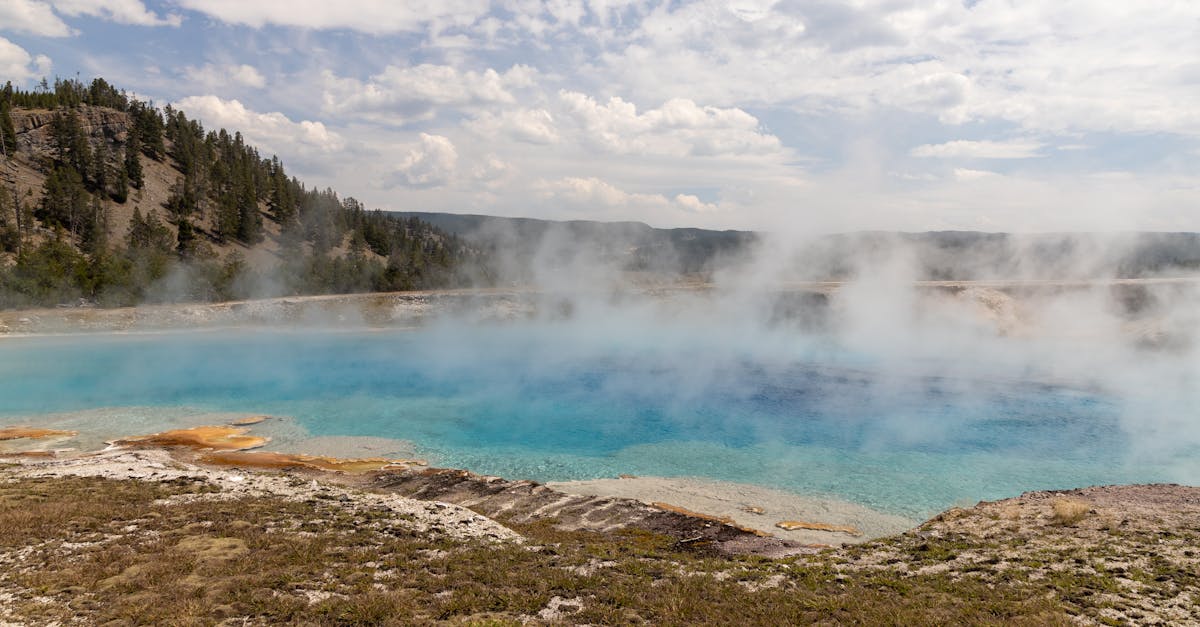
Photo by Matthew Hernandez via Pexels
Most of the etiquette advice that ranks for "hot springs etiquette" does not apply to the springs Americans actually visit. When I checked in September 2026, Google's AI Overview for that query cited roughly eleven sources, among them Marriott Traveler, Japan Guide, and the Japan National Tourism Organization. Every one of them describes commercial Japanese bathhouses. Not a single one covers the untreated, unstaffed pools on U.S. public land. The gap matters, because onsen rules assume things a wild soaker never has: a washing station at the entrance, an attendant on duty, filtered and chlorinated water, and a national consensus on nudity. A wild American spring has none of that. It has a fragile water source, a patchwork of land managers, and a social contract enforced only by whoever is standing in the pool. Here is how that contract reads.
This is not onsen etiquette
Onsen etiquette comes down to three rules, and all three collapse at the trailhead. The first is the mandatory pre-soak wash. Japanese bathhouses provide showers and stools because bathers share still, heated water, and skipping the wash there is genuinely foul. A wild spring has no washing station because it does not need one. The water is usually flow-through, rising from deep underground and draining toward a creek or meadow. The ethical substitute is to arrive reasonably clean and keep contaminants out of the pool in the first place.
The second is mandatory nudity. In Japan that is the norm. In the United States it depends entirely on which agency manages the land and which state you are standing in; the BLM pool where suits are optional can sit an hour from the state park where they are required. That variation is its own subject (our clothing-optional guide maps it site by site), so this piece covers the behavior that applies regardless.
The third is chlorination, and its absence changes everything. Onsen water is treated and recirculated. Wild spring water is a living ecosystem draining into other living ecosystems, often hosting thermophilic organisms found nowhere cooler, and whatever you introduce flows downstream rather than into a filter. It is also untreated in both directions: the CDC lists natural hot springs among the warm-freshwater habitats where Naegleria fowleri occurs, which is why keeping your head above water is standard wild-soaking practice. The closest analogue to a wild spring is a backcountry campsite, not a bathhouse, and the governing ethic is Leave No Trace with a swimsuit question attached.
Leave No Trace at the water's edge
Pack out everything you carried in, then look around for what others left. Food scraps and orange peels are trash; they decompose far slower than people assume, and they train wildlife to associate springs with handouts. A fox or jay habituated at a hot spring usually ends up dead because of it. Micro-trash counts too: the pull-tab, the wrapper corner, the bottle cap pressed into the mud.
Soap is the cardinal violation. Never use it in or near a wild spring, not even biodegradable soap, which still needs contact with soil and time to break down. The Leave No Trace Center for Outdoor Ethics puts all soap use at least 200 feet from any water source, and a spring is a water source. The same logic covers what is on your skin: sunscreen, insect repellent, lotion, and hair product rinse off in hot water faster than most people expect, which is where the towel rule below comes from. And urinate before you hike. The pool is not a bathtub, and it is often somebody's downstream watershed.
Respect the site's structure. Building dams, digging new pools, and moving rocks alters temperature, outflow, and chemistry, and the line between a functioning pool and a dead one can be a few degrees. The colored mats in outflow channels are living microbial communities, and the pale mineral crusts around many springs took centuries to deposit. Footsteps erase both on a timescale no one soaking that day will see reversed. If a pool has been improved with rock work, use it as built.
Sound, space, and sharing the pool
Sound carries over open water and off canyon walls with unnatural clarity, and nothing empties a soaking area faster than a speaker. Use earbuds. Keep your voice low, take phone calls out of earshot, and assume everyone present can hear every word.
Crowding is now the biggest problem at accessible springs. Fifth Water in Utah's Spanish Fork Canyon and Deep Creek in Southern California get hundreds of arrivals on summer Saturdays, most drawn by the same photographs that brought you. The fixes are timing and arithmetic. Arrive at dawn or midweek, and count the pool before committing. A four-person source holding four people is full. Ask before joining ("mind if we split in?" is enough) and take a polite no gracefully by walking to the next pool downstream. Last winter I watched the regulars at a snow-rimmed pool talk a party of twelve into splitting up and silencing a speaker, and then everyone soaked. That conversation is the entire enforcement apparatus of wild-spring etiquette, and it works exactly as often as people are willing to start it.
Photography follows a single rule: never point a camera at strangers without asking, and at clothing-optional springs never at all. Shooting soakers can constitute harassment under state law, and it has triggered closures where it went unchecked. Drones are louder than speakers and restricted by many land managers; the Federal Land Rulebook details where.
Towels, groups, dogs, and campsites
Bring a towel and use it deliberately. Sit on it in the pool. It keeps the products on your skin from washing into the water, and it keeps your skin off mineral crust that can scald or cut. Dry off away from the edge so the runoff does not wash back in. Leave glass at home entirely: broken glass in a pool or on a barefoot approach is a lasting injury to the site, and many land managers ban it outright.
Keep the group small. Most wild pools seat two to eight people, and a dozen people monopolizes one for hours while amplifying every other problem on this list. Split up, stagger your visits, or choose a site with multiple pools.
Dogs are a genuine issue, and many springs now prohibit them. Where they are allowed, Forest Service and BLM land generally requires them leashed and under control, and the reasons stack up fast: flea-and-tick treatments wash off, hair and dander contaminate pools, dogs overheat in water they cannot sweat in, and dogs harassing wildlife near a spring get the spring closed. Check your site's rules before bringing one.
Camping follows backcountry standards. The Leave No Trace distance is 200 feet (roughly 70 adult steps) from any water source, the spring included. Do not camp on the mineral apron or pool edge; compacted soil and fire scars there are the complaints that get popular springs gated. Use existing fire rings, check current restrictions, and handle human waste properly: a cathole 6 to 8 inches deep and 200 feet out, or a pack-out bag where the drainage requires it. The Federal Land Rulebook collects the site-specific orders.
Two springs, two rulebooks
The biggest fork in American soaking etiquette is clothing, and the rules differ sharply depending on which kind of spring you hiked to. Both kinds have been closed over behavior, which makes getting this right an access issue rather than a comfort one.
At a clothing-optional spring
Consent is the entire framework. Nobody is required to be nude, nobody is forbidden from being nude, and the correct response to either is no response: no staring, no comments on anyone's body, and no photography under any circumstances. Sexualized behavior gets you run off by the regulars and can get you charged. Treat nudity as unremarkable, keep the conversation on road conditions and water temperature, and if the atmosphere is not for you, leave quietly rather than making it someone else's problem. Long-standing clothing-optional springs run on communities that self-police hard, because a single incident can end decades of tolerated use. Watch what the regulars do, then do that.
At a swimsuit-required spring
Posted rules at these sites exist because someone complained, usually a family or a neighboring landowner, and the managing agency responded. Violating them risks more than a citation, since indecent exposure remains a criminal offense in most states, and it guarantees that the next complaint brings patrols or closure. Wear the suit from trailhead to pool and back, and expect tighter norms across the board: children present, rangers nearby, and little tolerance for alcohol, noise, or dogs. The etiquette here is day-use-area etiquette that happens to be hot.
Which kind of spring you are headed to varies by state, land manager, and site history, enough that we mapped it separately in our clothing-optional hot springs guide.
Strip the specifics away and the rulebook is one sentence: treat the spring as a living water source and every other soaker as its current guest. Nobody is coming to enforce that. Closures are the enforcement, and they arrive after the complaints, not before the soak.